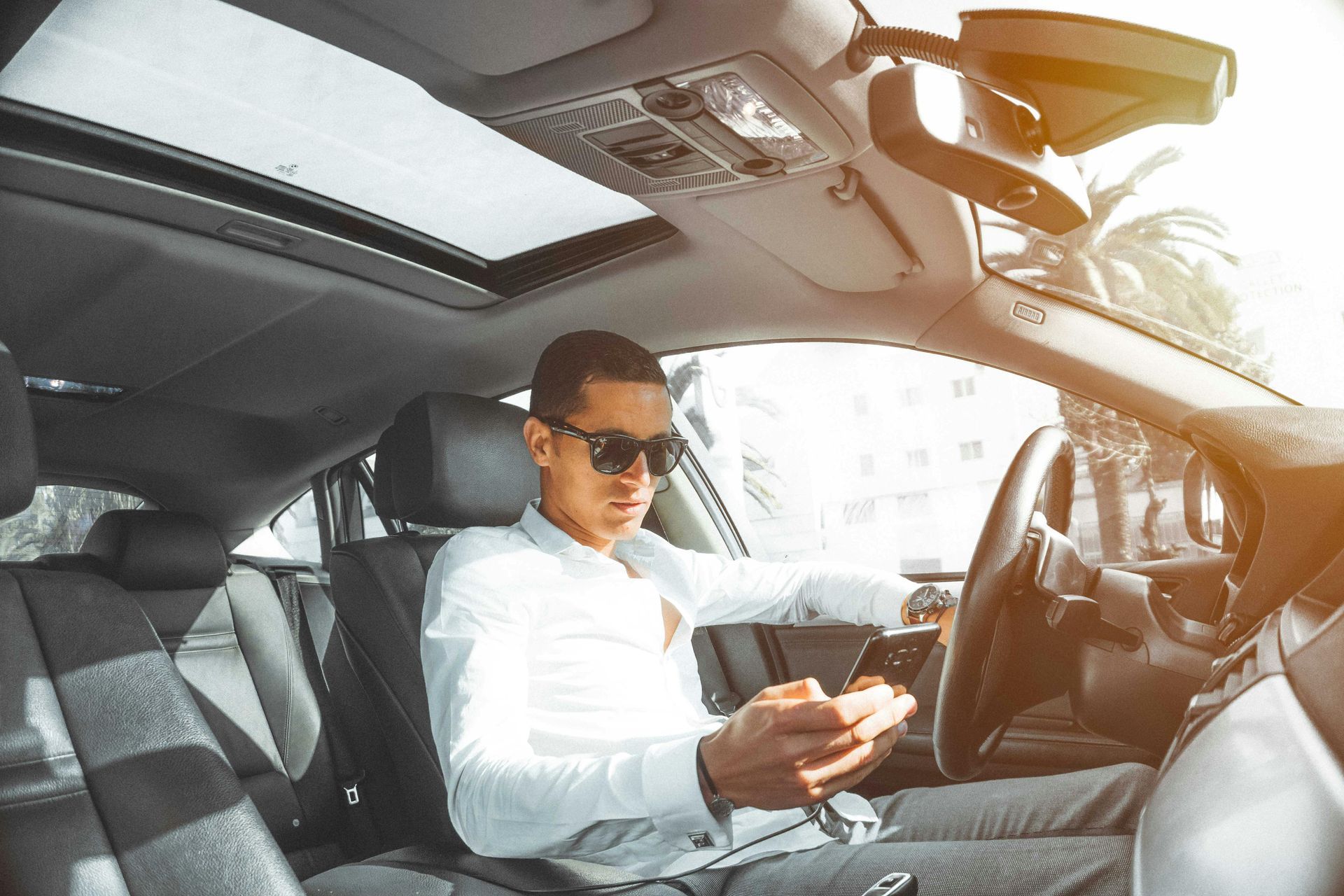
Know your Policy Season Finale - Stuff You Take Out of the House
Dear Reader,
I know that it’s a hard pill to swallow, but the sad news is that my epic three-part series is coming to an end this month. But don’t worry, I’ve got plenty of exciting content lined up after this one!
Today it’s the season finale and it’s a subject that is probably one of the least understood amongst policyholders. No, I’m not talking about annual cost increases (sorry).
But if you guessed ‘All Risk Items’, well then you’d be surprisingly correct. Today that’s what we’re covering. Otherwise known as ‘Portable Possessions’ or, as I like to call them, ‘Stuff you take out of the house’.
Stuff you take out of the house is exactly what it sounds like - it’s any possessions that you leave the house with and which therefore isn’t covered by your household contents policy section. These possessions are insured under a section of your policy called
‘All Risk’ or
‘Portable Possessions’.
Statistically, we are all likely to have to claim against this part of our policy at some point. And yet,
it’s one of the policy sections that clients least understand. Let’s change that.
What are some examples of insurable stuff that you take out of the house?
Cellphones (mobile phones)
Laptops (mobile computers)
Prescription glasses or expensive sunglasses
Jewellery
Expensive clothing, shoes, handbags etc.
Wearable tech like smartwatches, heart rate monitors etc.
Your bicycle
Expensive training gear and equipment
Any item that you would normally wear on you or carry with you is covered under a section called ‘Unspecified All Risk’ or ‘General & Clothing’. You would have a round amount as the insured amount. That means that the
total value of your claim / the total value of the stuff that has been stolen, can’t be more than for example R10,000. But all policies have an
item limit as well.
What does that mean?
That means that
there is a limit to the amount that your insurer will pay on
any one item
insured under this part of your policy. For example, on the Discovery Essential Plan, one item can’t be more than R1,500. It differs from policy to policy, so make sure you check what your policy states.
The good news is that this kind of insurance is also applicable to your luggage case when you travel. For example, you get on a plane and when you arrive at your destination, you find that your bag has been stolen. Since most of us wouldn’t necessarily have taken out travel insurance, you can now claim for your bag via unspecified all risk on your policy. As always, make sure that you’re aware of what the item limit on your policy is.
We’re reaching the end of this newsletter, but before we finish, I want to deal with three specific items you might be wearing and what you need to know about insuring them:
Smartwatches
Jewellery
Bicycles
Smartwatches are not watches. For insurance purposes, they are a ‘mobile communication device’ like a phone. Please check your policy and make sure that if you’re wearing a smartwatch, that you specify it correctly on your policy.
Expensive
Jewellery
must be specified, and it will need to have a valuation certificate that is updated annually if the value is more than R 20,000. Expensive watches (R2,000+) fall into this category as well.
Bicycles are typically referred to in insurance as pedal cycles (this is because e-bikes are insured differently). If you specify your bicycle, always remember that accessories for your bike (for example, your expensive Thule bike rack or your fancy helmet) need to be specified separately since they are not automatically included with your bike’s insurance. This point is especially important because, in the event of a car accident that destroys your bike rack, it will not be automatically replaced unless you have specified it.
What are some other All Risk Items that can be insured?
These three item types can be insured under All Risk but need to be specified:
Firearms
Stamp collections
Contents of Bank Safe Deposit Boxes
Conclusion
In this newsletter, we’ve had a quick look at All Risk items and what that means. We’ve seen what sorts of items can be insured under this category and what you need to know about how to insure them. We’ve also looked at some specific items that need to be specified in order to have proper coverage. If you have any questions, please get in touch with my office immediately.
Always looking after your stuff,
Stephan Kruis